
Best Irish-domiciled funds for Singapore-based investors in 2026
Start your year on the front foot by taking note of the best funds available to Singapore-based investors
PERSONAL FINANCEINVESTMENTS
I've shared my favourite ETFs previously but I thought I should 1. do an update, and 2. broaden the scope to include other securities and asset classes.
Overview of some of the best Irish-domiciled funds
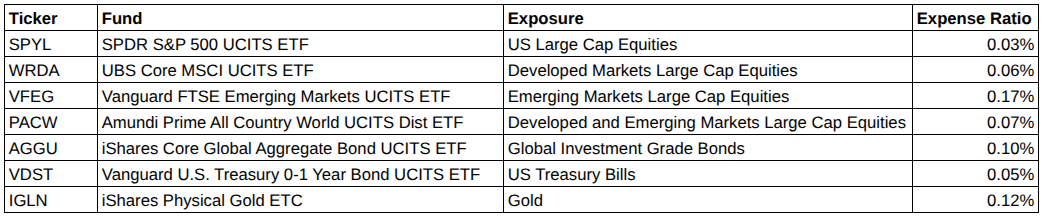
All the products above are listed on the London Stock Exchange and you can invest in them through Interactive Brokers. Here's a referral link.
I've covered some of the products in previous posts before, but I'll give an overview for each of them.
SPYL
I've covered SPYL previously so I won't repeat myself, but this is the best S&P 500 ETF for Singapore-based investors.
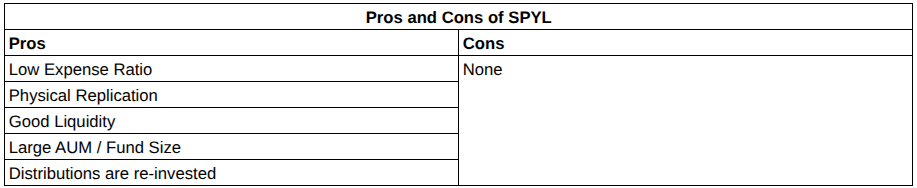

The liquidity can be better and the fund size is not as large as I would like it, but it should improve over time. If you are a buy and hold investor, the less than ideal liquidity and fund size shouldn't bother you too.
WRDA
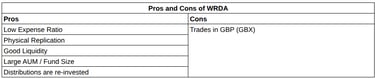
WRDA tracks the MSCI World index, meaning that investors will gain exposure to about 1300 securities across developed markets. WRDA is the lowest-cost fund tracking the MSCI World index. WRDA trades in GBP, but there's also another share class that trades in USD, albeit with poorer liquidity.
At a cost of 0.06%, I'm willing to overlook that only drawback of WRDA.

VFEG
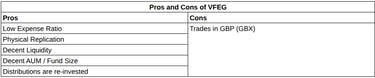
VFEG is probably the best broad-market ETF tracking emerging markets; at a cost of just 0.17%, I'm able to own more than 2200 emerging markets stocks.
Similar to WRDA, VFEG trades in GBP but this is something that I'm willing to overlook.

PACW
I've covered PACW previously, and if you are looking for the cheapest fund that tracks both developed and emerging markets, you should consider investing in PACW.
Amundi is able to keep costs as low as it is (0.07%) because PACW tracks the Solactive GBS Global Markets Large & Mid Cap index; other index providers such as MSCI and FTSE charge more. However, distributions are not automatically re-invested, so that's a major downside of PACW that you should be aware of.


AGGU
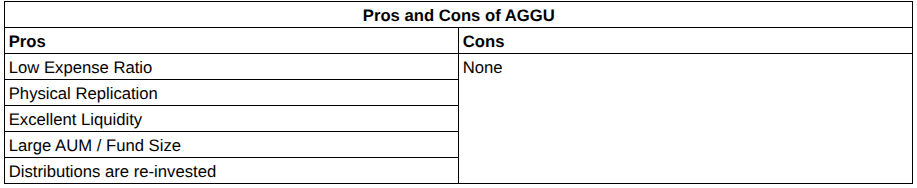
iShares Core Global Aggregate Bond UCITS ETF (AGGU) tracks the Bloomberg Global Aggregate Bond Index, giving broad exposure to investment-grade bonds across all maturities. AGGU re-invests any distributions and is USD-hedged, if you would like distributions to be distributed or a product that is un-hedged, you can invest in a different share class instead.
If you would like the same exposure to investment-grade bonds at a lower cost, you can consider VAGU instead (expense ratio: 0.08%). I didn't recommend VAGU as the fund size is significantly smaller, and the performance of the fund is not as good either. Hopefully, VAGU can attract more inflows and improve their fund performance in the coming year.
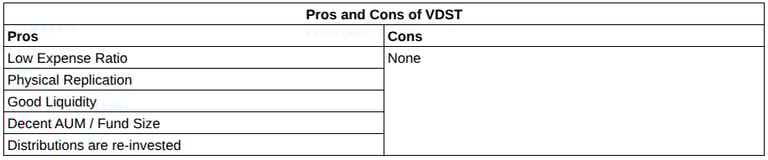
VDST
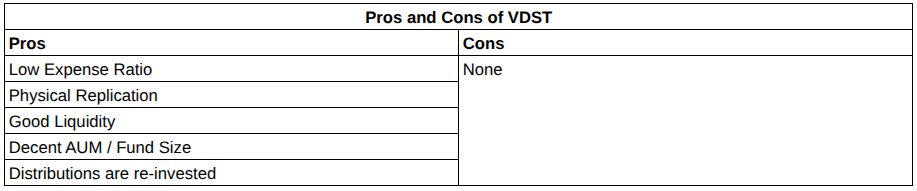
VDST offers the cheapest access to US Treasury bills. If you need a place to park US dollars safely and reliably, VDST is the way to go.
IGLN
Unlike all the other funds earlier which focus on equities or bonds, the iShares Physical Gold ETC (IGLN) is an Exchange Traded Commodity (ETC) that tracks the gold index. IGLN is the largest gold ETC, is physically-backed and only accepts gold that meets the London Bullion Market Association Good Delivery rules. IGLN also happens to be one of the cheapest gold ETCs, making this an easy recommendation from me.


Conclusion
This is my updated list of the best funds for Singapore investors in 2026. These funds are among the cheapest, if not the cheapest in their category, and do a good job at tracking their respective indices.
Disclosure: I own some, if not all the funds mentioned in this article. This article will not be updated going forward.
Other Stories
Disclaimer: The content on this site is for informational purposes only and should NOT be taken as legal, business, tax or investment advice. The content does NOT constitute an offer or solicitation to purchase any investment.
This site does not take into account your personal financial situation or needs, and makes no representation and assumes no liability to the accuracy or completeness of the information provided here. This site shall not be liable for any losses that may arise as a result of the content published.
Want all of these in your inbox?
Subscribe to the newsletter and never miss a story.
We care about your data in our privacy policy.